
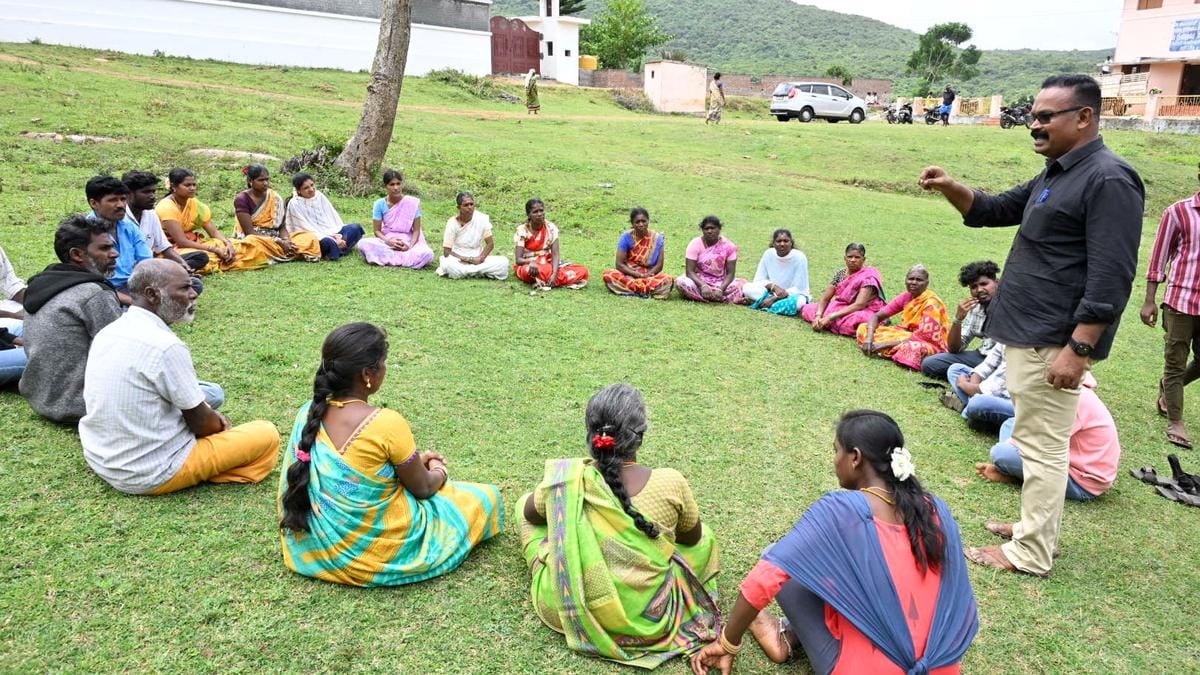
In several tribal hamlets of the Thalavadi Hills, adolescent girls and women continue the long-standing practice of menstrual seclusion, staying in small, separate rooms outside their homes during their monthly cycles.
Though not enforced by any external authority, the practice is deeply rooted in religious and cultural beliefs. Women voluntarily refrain from entering their homes and use separate utensils for four days every month, viewing it as an act of devotion to deities such as Jadasamy, Mariamman, Rangasamy, Madeswaran, and Nanjundeshwara. Food is delivered in utensils at the doorstep without direct contact, and women are required to remain inside the room throughout their cycle. Their interaction with family members and neighbours is minimal, and they are not allowed to participate in social activities during this period. Both educated and uneducated women uphold the tradition, which has been passed down through generations.